
‘My uncle Benjamin lived with his sister; he was five feet ten inches tall, wore a large sword at his side, with a scarlet flannel suit, breeches of the same colour and fabric, pearl grey silk stockings, with silver buckles on his shoes…My uncle was a doctor, that’s why he carried a sword.’
« Mon oncle Benjamin était domicilié chez sa sœur ; il avait cinq pieds dix pouces, portait une grande épée au côté, avec un habit de ratine écarlate, une culotte de même couleur et de même étoffe, des bas de soie gris de perle, et des souliers à boucles d’argent…mon oncle était médecin, voilà pourqoi il avait une épée. »
Sooner or later, anyone who lives in Corvol encounters Mon Oncle Benjamin and the other characters from the famous novel by Claude Tillier, first published in 1843. The novel follows the exploits of Benjamin, a native of nearby Clamecy (Tillier’s birthplace), and his friendship with Dr Minxit and his lovely daughter, who are Corvollois. The novel was turned into a popular film in 1969, filmed in Vézelay and the surrounding region.
Benjamin Rathery, 28, is a doctor with a philosophical spirit, indebted, a lover of good bottles of Burgundy, cultured and sword-carrying, and a convinced bachelor. His sister, with whom he lives, tries to persuade him to marry, an obligation which he reluctantly accepts. Arabella, the daughter of another doctor, Minxit, who lives in Corvol, is chosen.
The novel is a delicious, funny and often touching series of sketches recounting the joys and struggles of ordinary people in a frequently unjust world. Benjamin’s courage, quick wit and eloquence carry him safely through conflicts with the local all-powerful Seigneur, duels with passing Musketeers, not to mention legal threats from his (unpaid) tailor.
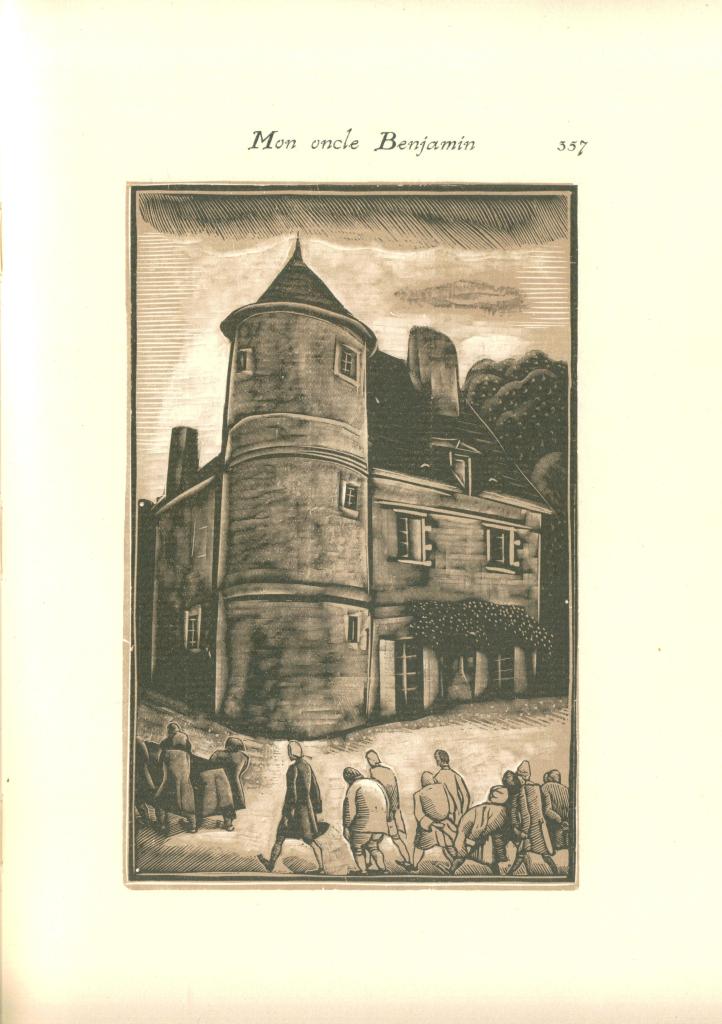
Colourful local characters spring to life from the pages, and Benjamin’s simple philosophy, and his affirmation of his personal dignity above any care for social convention, submission to the all-powerful aristocracy, church dogma or financial obligations, make him an attractive and popular figure with his many friends – and readers. And it is amusing to think that the characters were situated in the area around our own house – local tradition places Dr Minxit’s house just next door. In the 1926 edition of the book, Uncle Benjamin and friends are seen walking past the Château on their way to Dr Minxit’s funeral.
In the end, Benjamin doesn’t marry, and tragically witnesses the burial of both his would-be fiancée and her devastated father, Dr Minxit. Respecting his friend’s final wishes, Benjamin insists to the local priest that Minxit should be allowed to be buried in his own beautiful garden, rather than the cemetery. Even in death, Benjamin stands up for the simple justice of the common man. In his own words:
‘It is up to us, men of heart and education, to do honour to this people in whose midst we were born; they must learn from us that it is not necessary to be noble to be a man, that they must rise in self-esteem from the lowliness into which they have descended, and that they must finally say to this handful of tyrants who oppress them: We are worth as much as you, why should we continue to be your slaves, and why would you want to remain our masters? Oh, Page, may I see that day and accept to drink poor wine for the rest of my life!’
« C’est à nous, hommes de cœur et d’instruction, à faire honneur à ce peuple au milieu duquel nous sommes nés ; il faut qu’il apprenne par nous qu’il n’est pas besoin d’être noble pour être homme, qu’il se relève par l’estime de lui-même de l’abaissement où il est descendu, et qu’il dise enfin à cette poignée de tyrans qui l’oppriment : Nous valons autant que vous, pourquoi continuerions-nous à être vos esclaves, et pourquoi voudriez-vous rester nos maîtres? Oh ! Page, puisse-je voir ce jour et boire de la piquette le reste de ma vie! »
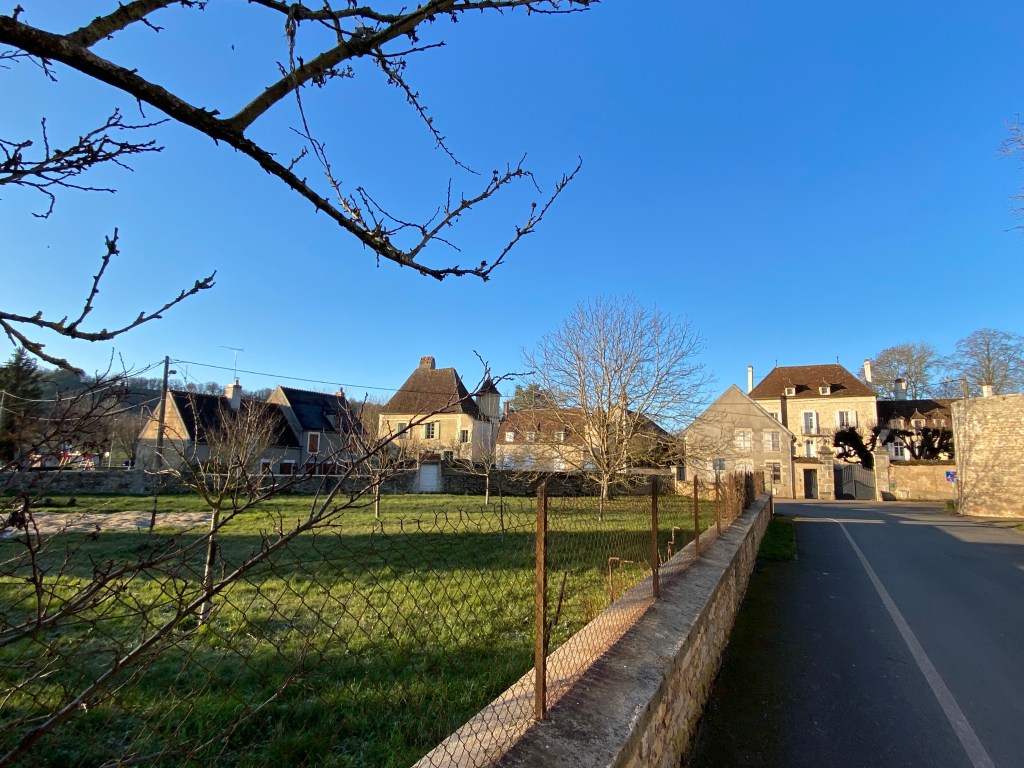

 Le Vieux Château