Corvol est une châtellenie de laquelle dépendent plusieurs fiefs, & entre autres ceux de la Porte & de Villette, où il y a un château.
Mémoires pour servir à l’histoire du nivernois et donziois / Née de la Rochelle. 1747
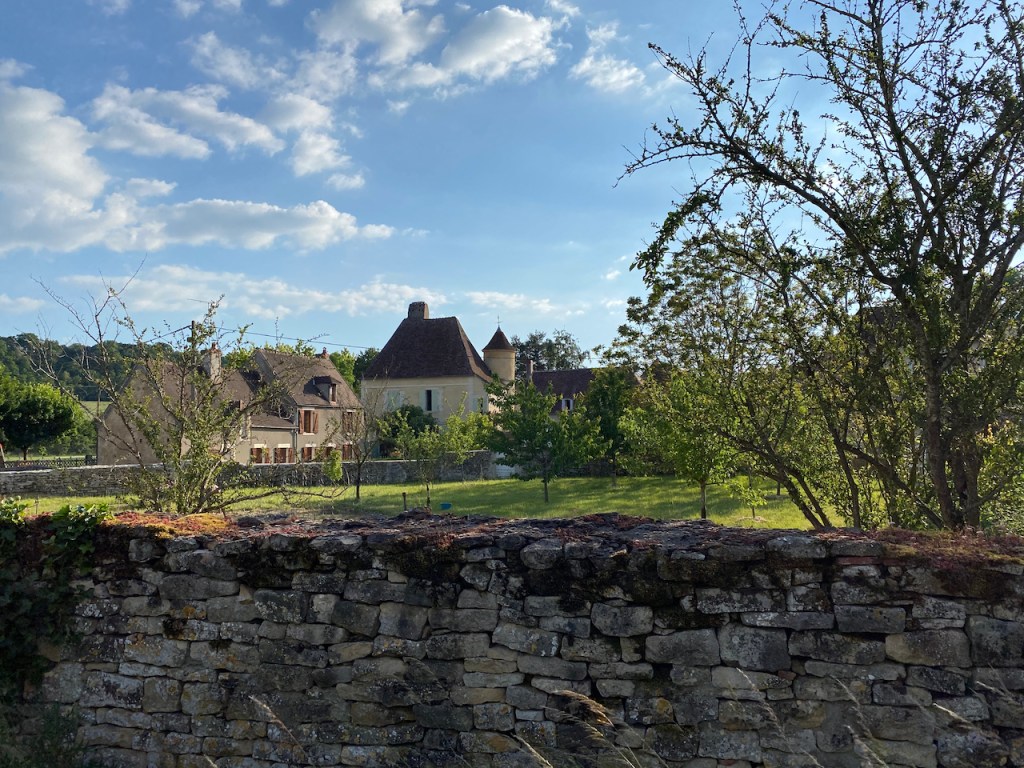
The first impressions of old Corvol are its tranquility, its imposing church and the number of architectural vestiges in the old centre, among which is the ‘Vieux Château’, situated right at the edge of the village. A local historian, Dr Létinois, described the origins of this remarkable place in his short history published in 1957, Corvol l’Orgueilleux : Quelques miettes de son passé, or ‘Corvol l’Orgueilleux: A few fragments from its past’.

Source: Archives départementales http://archives.nievre.fr/ark:/60877/a011478265045diotnE

The Château de la Porte (‘Château of the Gate’) is one of the remnants of the original fortifications of the village of Corvol. Although the house is situated at the Porte du Marteau (Hammer Gate) entrance to the village, it is most likely named after an early owner, Jean de la Porte (mentioned in 1533). According to some sources, it was also known as Château de Bazarnes, and the ‘Seigneur de Bazarnes’ (Lord of Bazarnes) is mentioned as late as the 17th century. The building formed the corner of the 15th century ramparts which protected the village until the French Revolution. The immediate area was later called ‘Moulin de la Porte’, as there was a mill attached to the Château.
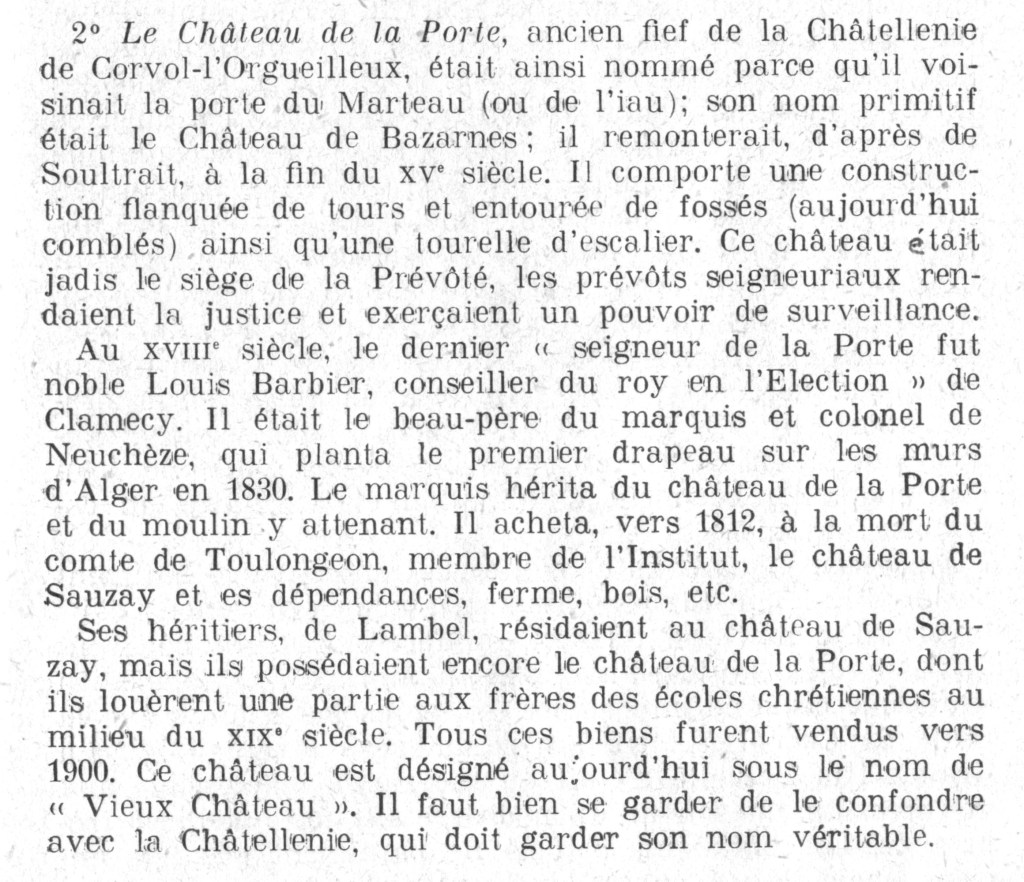
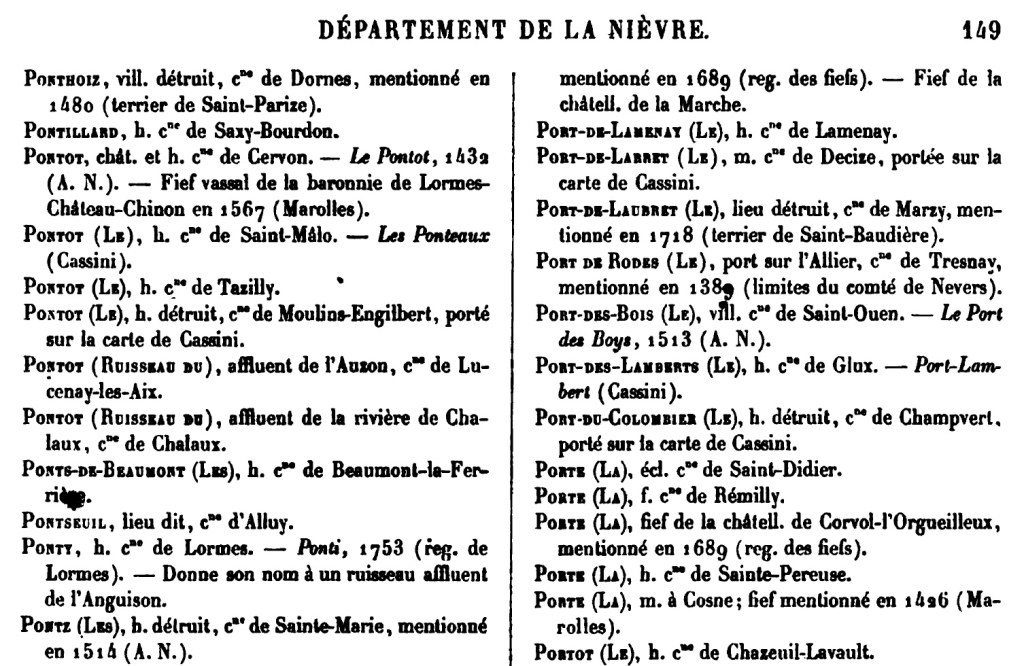
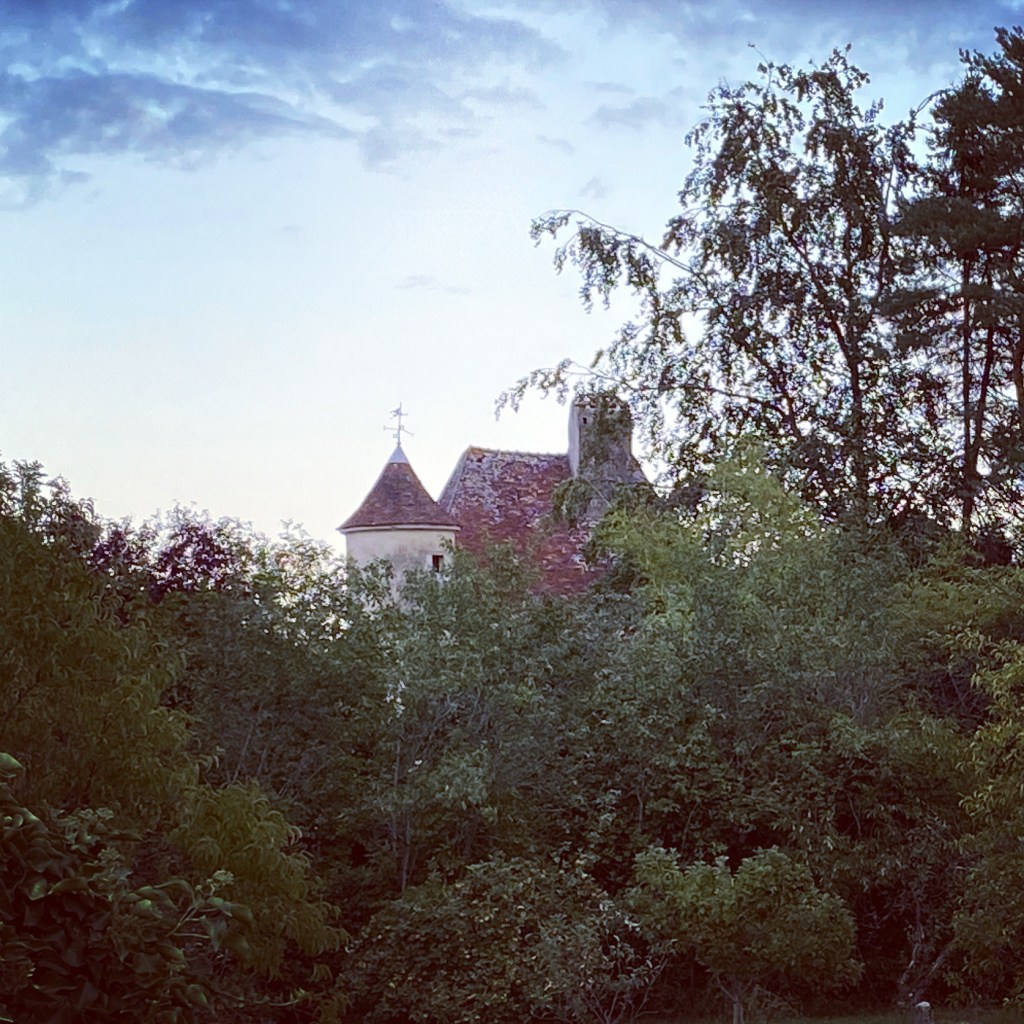
According to the 19th century historian Count Georges de Soultrait, the origins of the Château may date back to the end of the XV century, and it is mentioned in 1638 and listed in a registry of ‘fiefs’ in 1689. It once had other towers and a moat (later filled), and a smaller tower for the staircase, which is the only one remaining today.
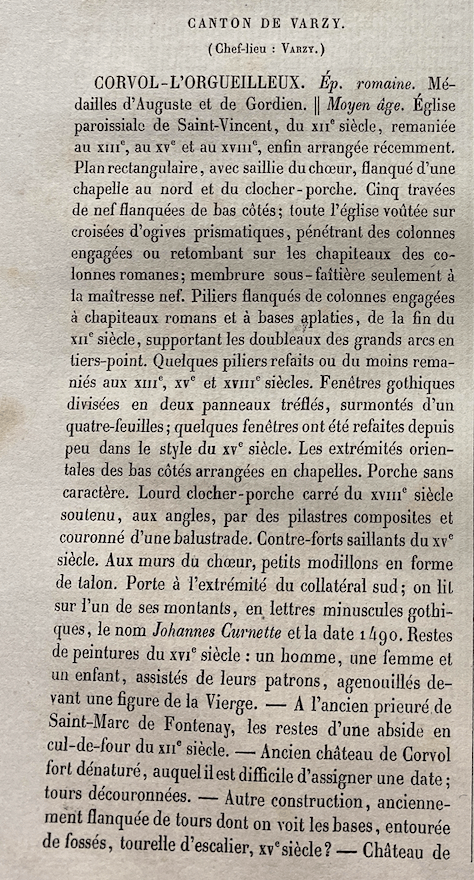
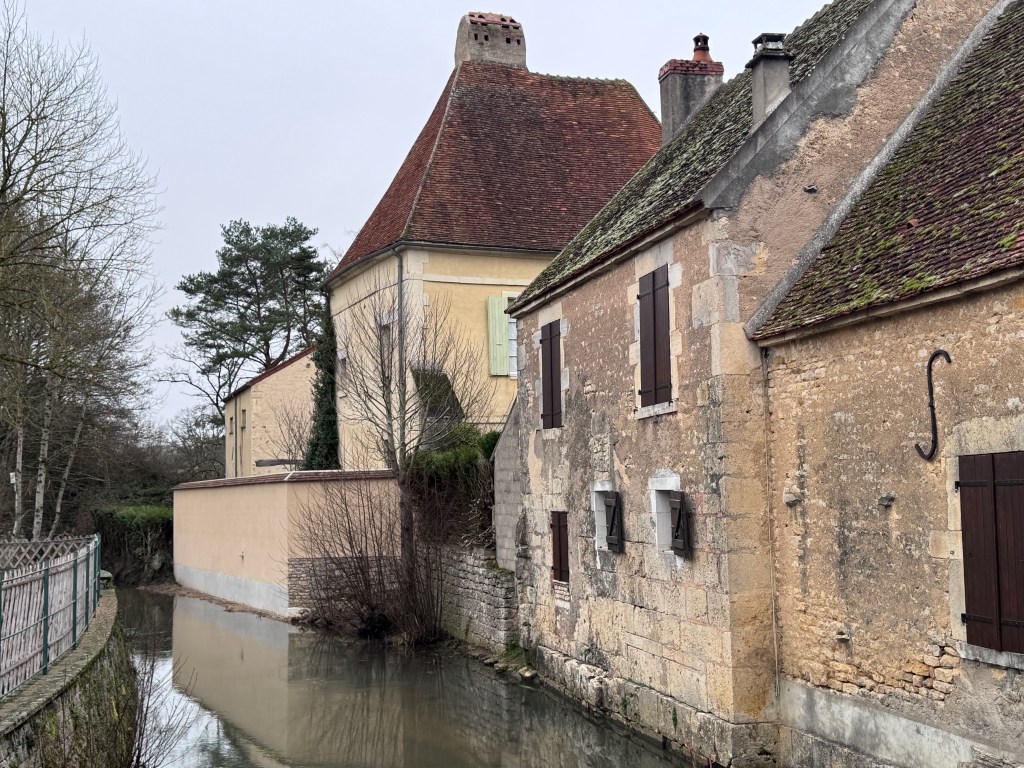
In his 1843 book La Loire historique, pittoresque et biographique, Touchard-Lafosse describes Corvol and the remnants of the Château which were still visible at that time. ‘There are imposing remnants of the château of Corvol: its plan was quadrangular; its mutilated towers recall the military architecture of the XIII century. The moat, now dried and almost filled, were fed by the Sauzay stream, which, higher upstream, is the principle motor of the Villette papermill.’

The Château was a fief of the Châtellenie de Corvol, and once housed the seat of the Prévôté, or Bailli (bailiff or magistrate), the seigniorial court that rendered justice, policed the village and managed the surrounding estates. Still today, the surrounding area is referred to by the local villagers as the ‘pré du bailli’ or ‘bailiff’s meadow’.
During the French Revolution, Dr Létinois relates that Corvol was renamed Corvol le Belliqueux (‘the belligerant’), as it provided a high number of volunteers for the revolutionary armies. On 5 August 1794 (18 Thermidor An II in the revolutionary calendar), workers from the surrounding district attacked and removed the ‘crown’ of the towers of the Châtellenie and the Château de la Porte, symbols of the ancien régime.
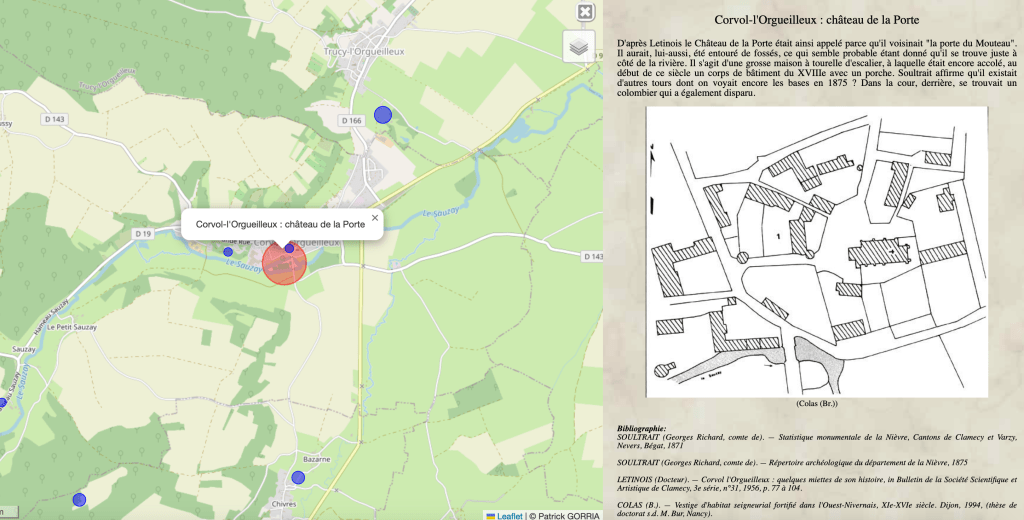
According to the archives, in the XVIII century, the last Lord (Seigneur) of the Gate was ‘the nobleman Louis Barbier’, adviser to the King in the Election of Clamecy.
From the 18th century, another owner is recorded. Michel Auguste, Marquis de Neuchèze, ‘Seigneur de St-Georges, de Tronsec et de Sozay’. The Marquis, whose son was to die on the barricades of the Revolution of June 1848, inherited the Château de la Porte and the adjoining mill.
Around 1812, on the death of Count de Toulongeon, a member of the French Academy, the Marquis also purchased the nearby Château de Sauzay and its dependencies, farms and forests. His successors, the family of Viscount Label de Lambel, resided at the Château de Sauzay and also owned the Château de la Porte, together with the surrounding buildings, land and mill.
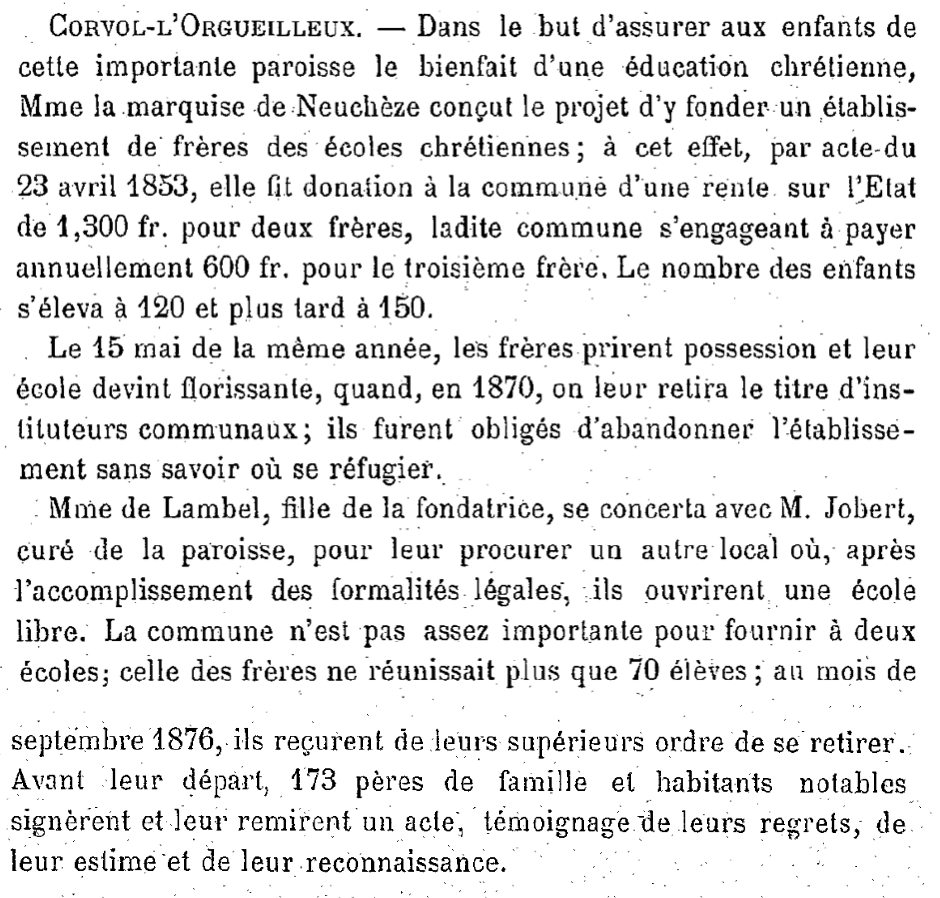
congrégations religieuses dans le diocèse de Nevers. Vol. [I],
Congrégations d’hommes 1877-1881. gallica.bnf.fr / BnF
The Château de la Porte was used by a religious order as a school from the middle of the XIX century. In 1853, according to Létinois, the Marquess de Neuchèze committed to an annual donation of 1,300 francs to pay for two brothers of the ‘écoles chrétiennes’, with the commune responsible for the costs of a third teacher, and the Château de la Porte was donated by the Marquess to accommodate the school, where it continued to function until it was closed in 1870. Following a request by the family, property was returned by the Conseil municipal (municipal council) in 1873 to the ownership of Viscount de Lambel.
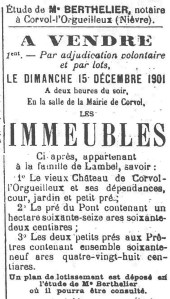
The Château and the related properties were sold in 1901 by Marquess Anne Marie Michèle de Neuchèze, widow of Viscount de Lambel, and daughter of the Marquis de Neuchèze, and the estate was dispersed.
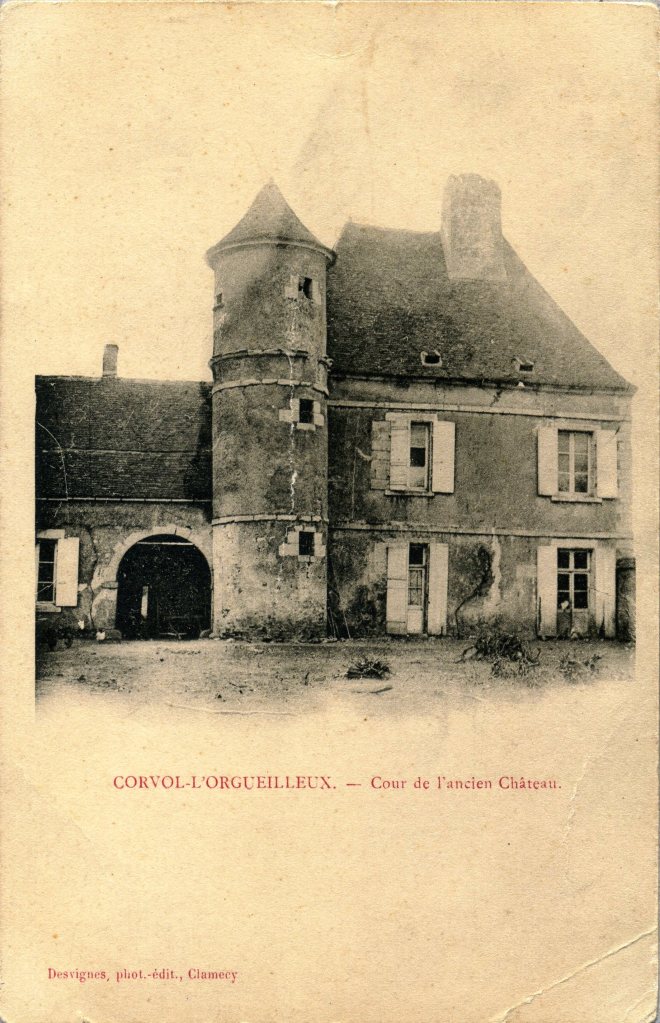
The Château de la Porte is today known as the ‘Vieux Château’, not to be confused with the nearby Châtellenie.
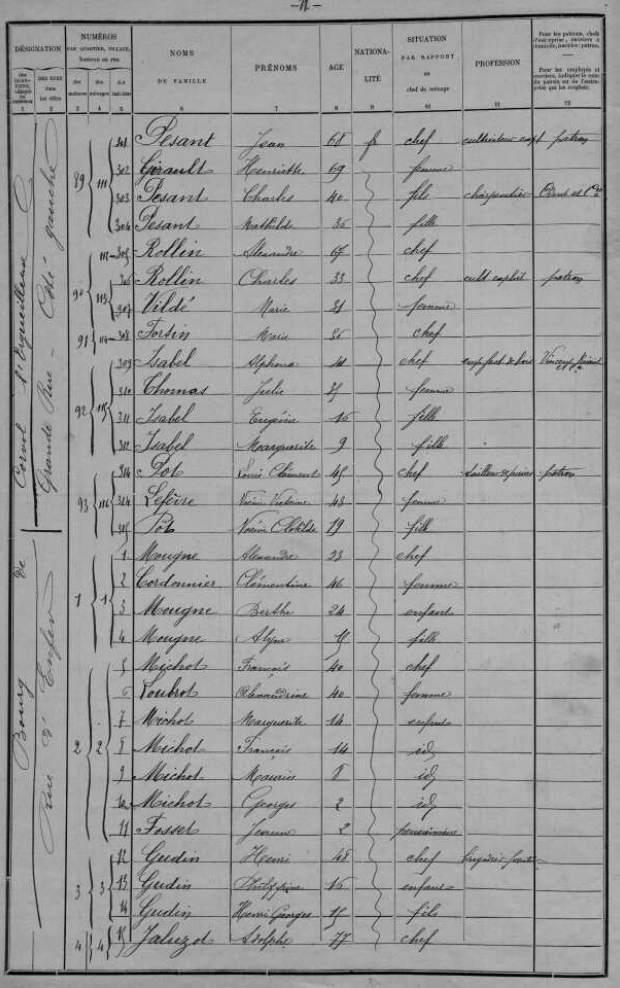
Census of the population (1901): Inhabitants of Rue d’Enfer, location of the Vieux Château (No. 1)
(Source: http://archives.nievre.fr/ark:/60877/a011579267926OL7yes/1/1)
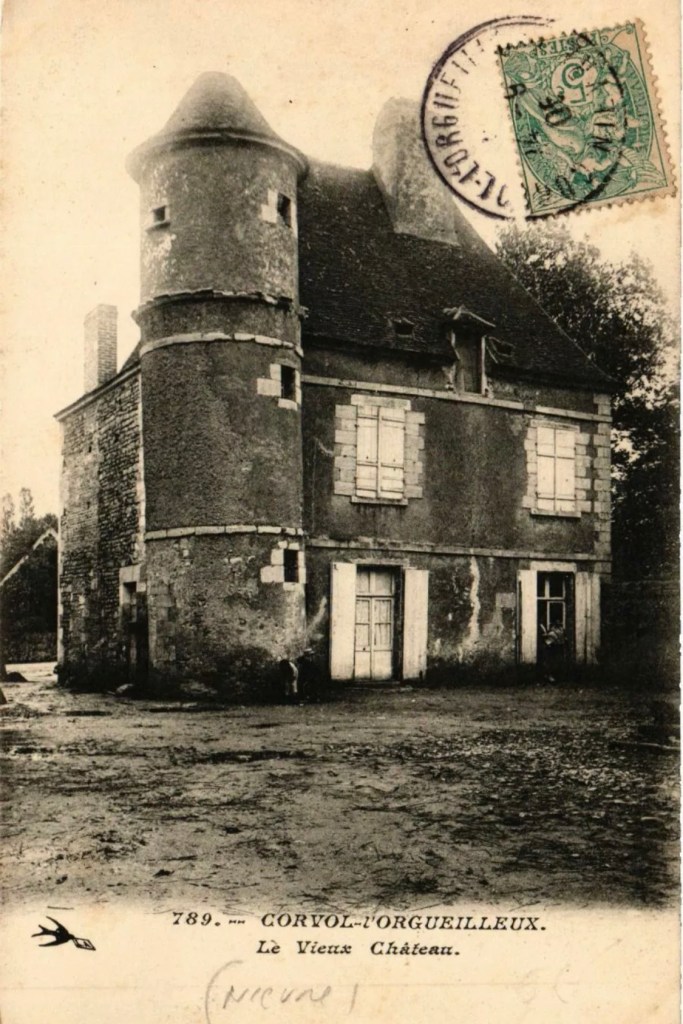
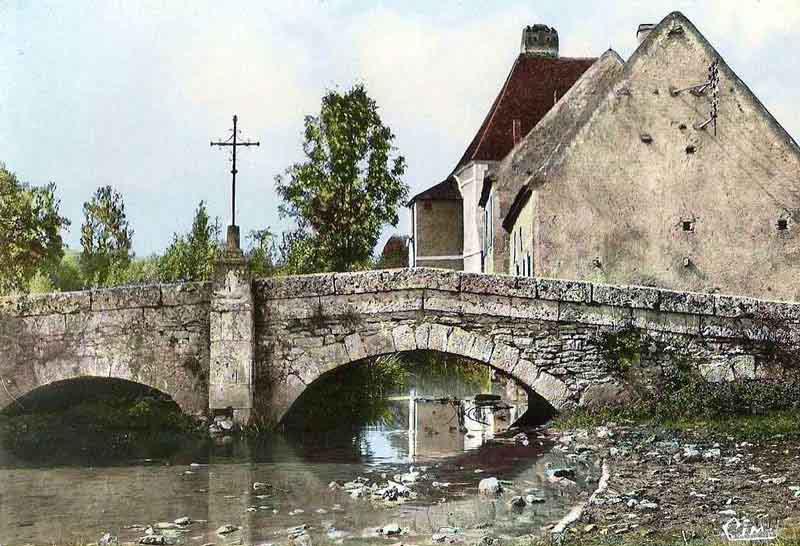
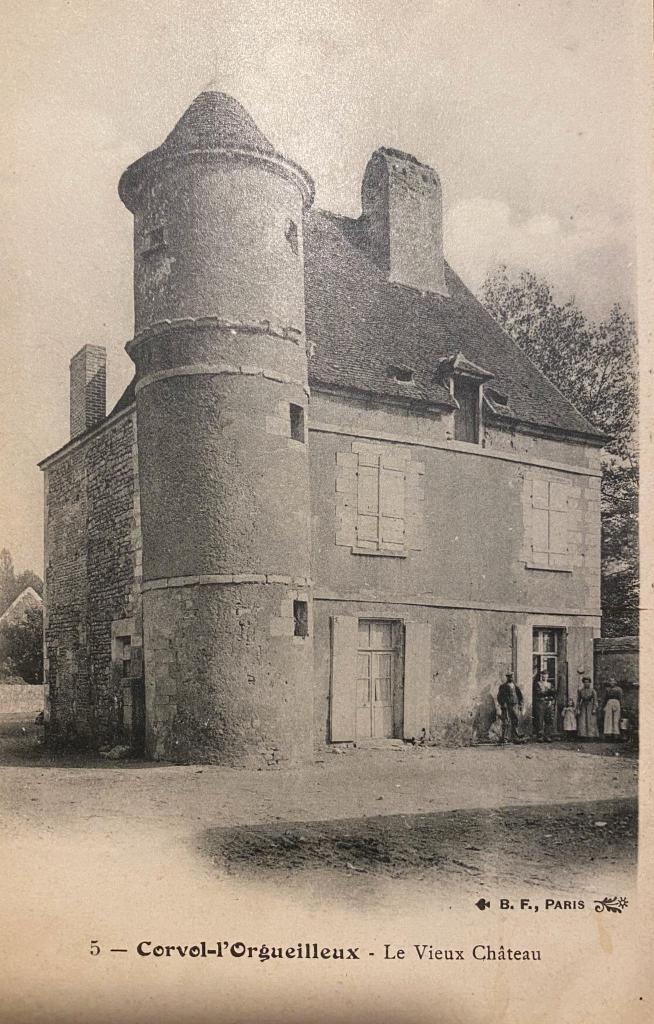
 Le Vieux Château